
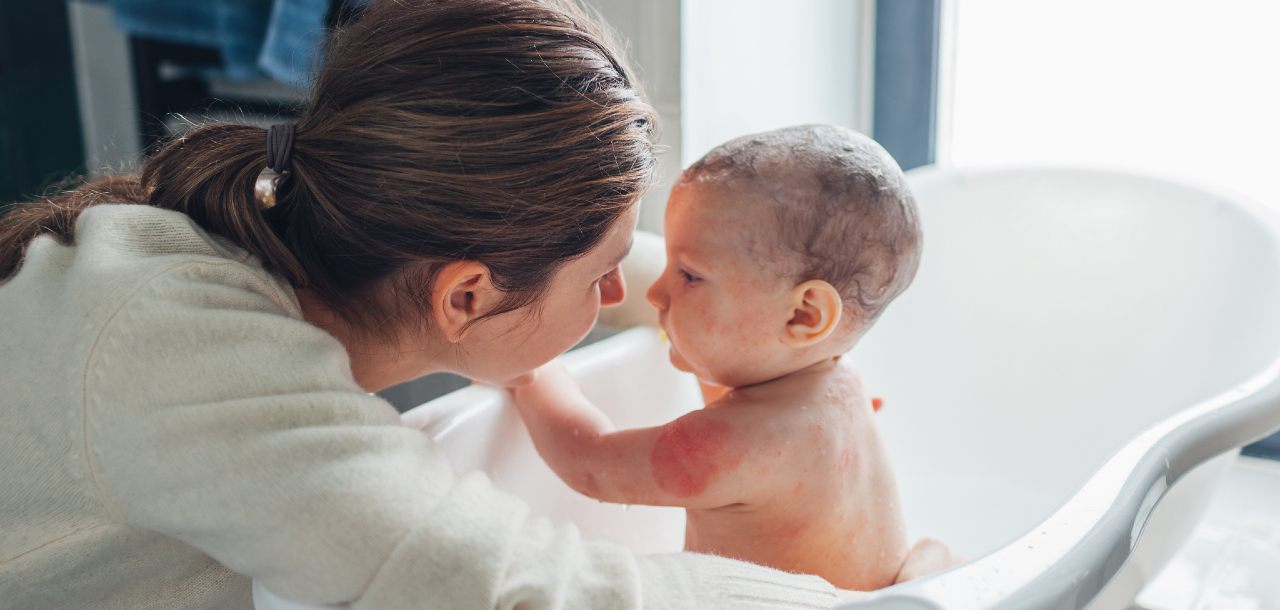
A chronic skin disease often affects far more than just the skin. For many people affected, it becomes a permanent part of daily life, bringing challenges that extend well beyond medical treatments. Itching, visible skin changes, or recurring symptoms can have an impact on well-being, self-confidence, and social life.
That’s why it’s important not only to provide medical care for people with chronic skin diseases, but also to support them in everyday life. Understanding, exchange, and appropriate accompanying services can help sustainably strengthen quality of life.
When Skin Diseases Accompany Daily Life
For people with a chronic skin disease, there is often no clear separation between illness and everyday life. Symptoms can begin in the morning upon waking, accompany the workday, and remain noticeable well into the night.
Many affected individuals must adapt their daily activities to their skin condition. Clothing is carefully selected, leisure activities are planned, and spontaneous decisions can become more difficult. Family members often witness how burdensome a long-term skin disease can be.
Yet the challenges are not always visible. While some symptoms are recognizable to others, emotional burdens frequently remain hidden.
When a Skin Disease Becomes a Permanent Part of Life
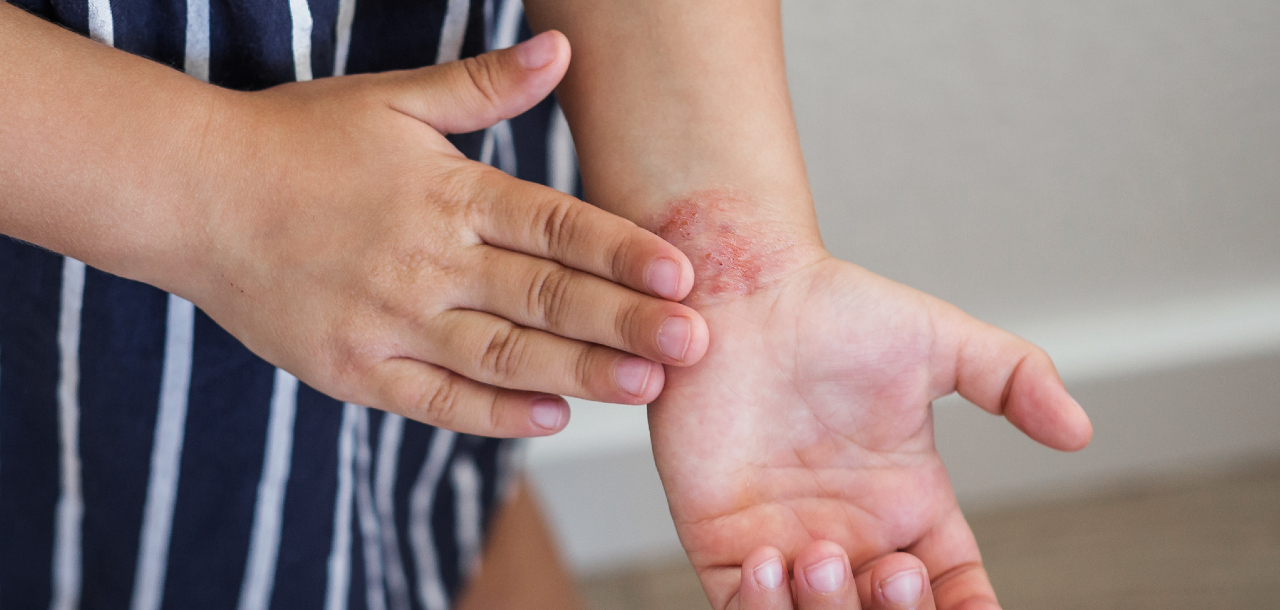
A chronic skin disease is characterized by accompanying those affected over a long period of time. Particularly well-known examples are eczema or psoriasis, which accompany many sufferers throughout their lives. Phases with more severe symptoms can alternate with calmer periods. This unpredictability can be distressing for many people.
Not knowing when symptoms will occur or worsen can create uncertainty. At the same time, dealing with a long-term skin disease requires patience, adaptability, and often a great deal of perseverance.
Over time, many affected individuals develop individual strategies to better manage their daily lives. Nevertheless, the disease often remains a constant companion.
Impact on Quality of Life and Self-Perception
The skin is visible to others and plays an important role in one’s own body perception. Changes in skin appearance can therefore influence self-confidence.
Some affected individuals feel observed or experience uncomfortable questions from their surroundings. This can lead to avoiding social situations or creating insecurities.
A chronic skin disease can also have effects on mental health. Frustration, stress, or the feeling of not being understood are experiences that many people share. All the more important is an environment that shows understanding and offers support.
Living with a Chronic Skin Disease in Daily Life
Daily life with a chronic skin disease often requires good organization. Care routines, doctor’s appointments, or dealing with stressful situations are part of daily life for many affected individuals.
Children and adolescents in particular can face additional challenges. School, friendships, and leisure activities are sometimes influenced by the disease. Parents also often need guidance and support to best accompany their children.
In addition to medical measures, practical assistance and a stable social environment can make an important contribution.
Why Support Beyond Medical Care is Important

Medical care forms an important foundation in dealing with a chronic skin disease. At the same time, the experience of many affected individuals shows that additional support can make a big difference.
Exchanging with people in similar situations can give courage and open new perspectives. Information offerings, accompanying programs, or community activities also help to better manage daily life.
Holistic support therefore considers not only physical symptoms but also the emotional and social challenges that can be associated with a long-term skin disease.
Strengthening Understanding, Accompaniment, and Community
Living with a chronic skin disease brings challenges that go far beyond physical symptoms. All the more important are understanding, accompaniment, and a supportive community.
When affected individuals and their families have access to appropriate services, they can often better manage their daily lives and gain new confidence. In addition to medical care, social support, encounter, and mutual understanding therefore also play a crucial role.
Together, an environment can be created that strengthens people with a chronic skin disease and helps them confidently go their own way. Learn more about the Kumi Uri Program and the Healing Summer Camp Davos of the Arzi Foundation – a holistic support offering for children with chronic skin diseases and their families.
Would you like to learn more or directly support those affected? Contact us – we will be happy to advise you personally about our projects and offerings. Or make a direct contribution with a donation for children and families with chronic skin diseases.